Sumer |
Babylonian Empire |
Assyrian Empire |
Achaemenid Persian Empire |
Alexanders Empire |
Seleucid Empire |
Parthian Empire |
Sassanian Persian Empire |
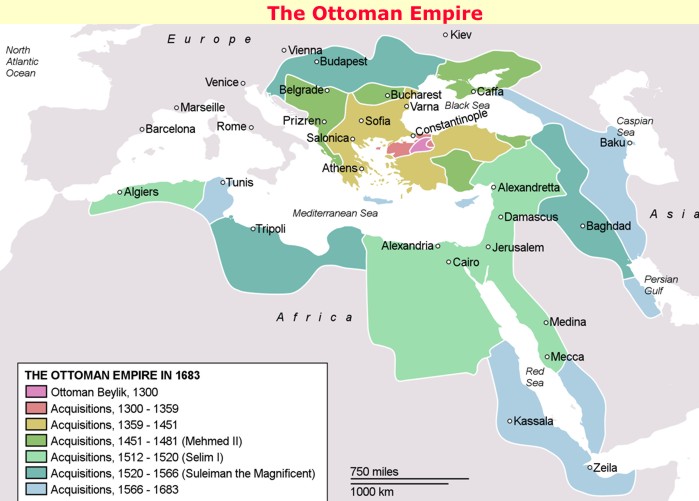
Ottoman Empire |
Modern Iraq
When last we left Sumer, the Assyrians had ascended and were trying to conquer the world, as cruelly as possible.
Meanwhile, The Sumerians {now called Chaldeans}, who inhabited the coastal area of Sumer near the Persian Gulf, had never been entirely pacified by the Assyrians.
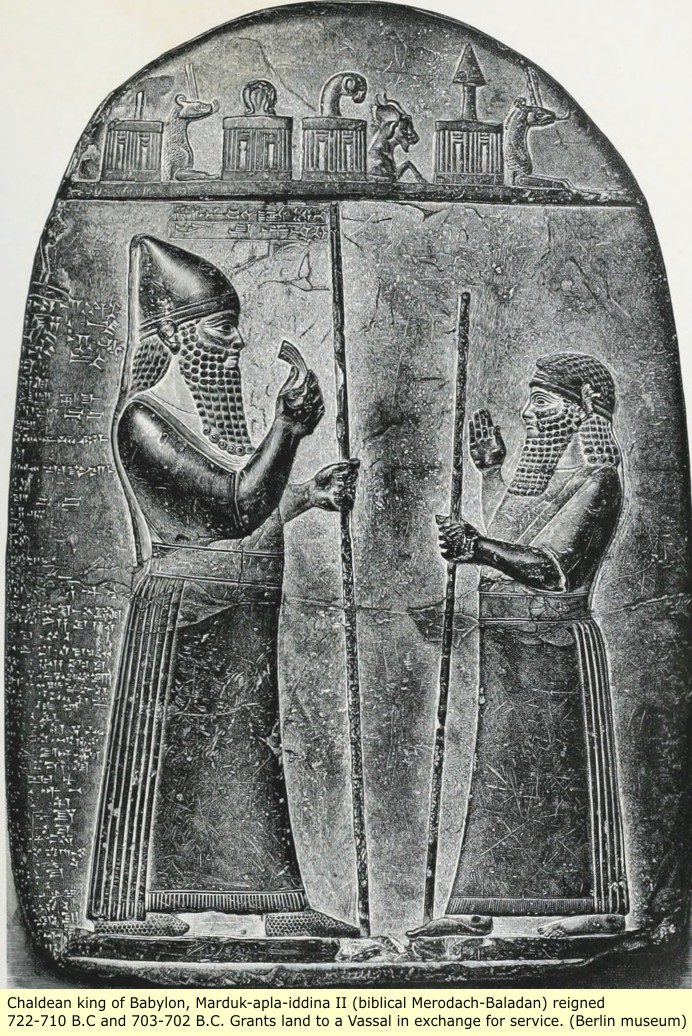
Marduk-apla-iddina II (the biblical Merodach-Baladan - "Marduk has given me an Heir") (reigned 722 B.C. – 710 B.C.)( 703 B.C. – 702 B.C.) was a Chaldean prince who usurped the Babylonian throne in 721 B.C. He maintained Babylonian independence in the face of Assyrian military supremacy for more than a decade. Sargon II suppressed the allies of Marduk-apla-iddina II in Aram and Israel, and eventually drove him from Babylon in 710 B.C. After the death of Sargon II, Marduk-apla-iddina II returned from Elam and ignited all the Arameans in Babylon into rebellion. He was able to enter Babylon and be declared king again. Nine months later he was defeated near Kish, but escaped to Elam. He died in exile a couple of years later.
|
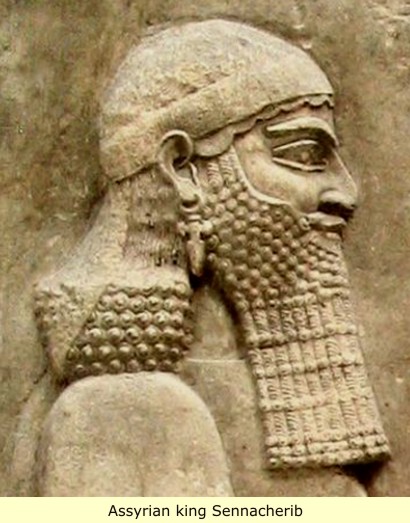
Sennacherib - Son of Sargon II (704 – 681 B.C.)
During his reign Sennacherib encountered various problems with
Babylonia. His first campaign took place in 703 BC against
Marduk-apla-iddina II who had seized the throne of Babylon and gathered
an alliance supported by Chaldeans, Aramaeans, and Elamites. We can
date the visit of Babylonian ambassadors to Hezekiah of Judah in this
period. The allies wanted to make use of the unrest that arose at the
accession of Sennacherib. In his attack, Sennacherib split his army and
had one part attack the enemy stationed at Kish, while he and the rest
of the army proceeded to capture the city of Cutha. After that was done
the king returned swiftly to aid the rest of his army. The rebellion
was defeated and Marduk-apla-iddina II fled. Babylon was taken, and its
palace plundered but its citizens were left unharmed.
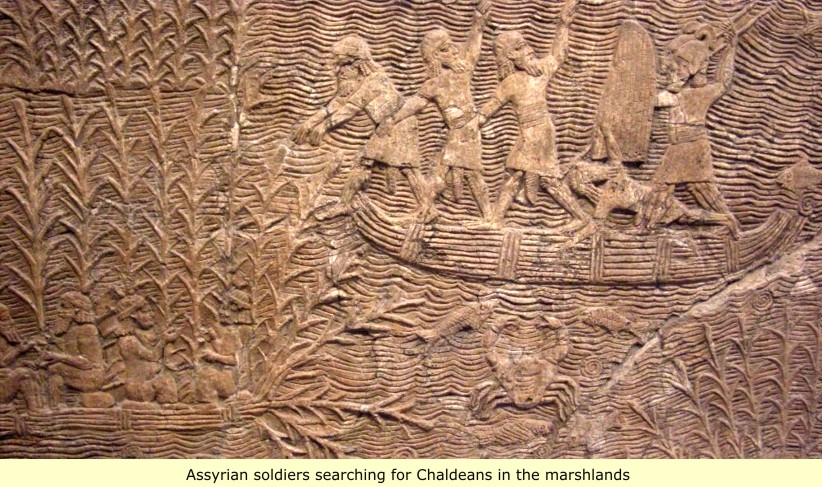
The Assyrians searched for Marduk-apla-iddina II, especially in the southern marshes, but he was not found. The rebellious forces in the Babylonian cities were wiped out, and a Babylonian named Bel-ibni, who was raised at the Assyrian court was placed on the throne. When the Assyrians left, Marduk-apla-iddina II started to prepare another rebellion. In 700 B.C. the Assyrian army returned to fight the rebels in the marshes again. Not surprisingly, Marduk-apla-iddina II fled again to Elam and died there.
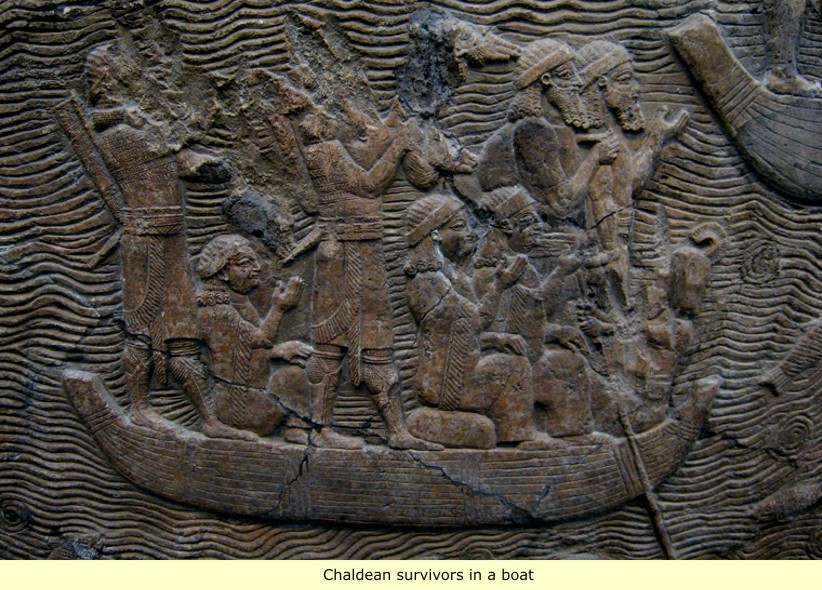
Bel-Ibni proved to be disloyal to Assyria and was taken back a prisoner. Sennacherib tried to solve the problem of the Babylonian rebellion by placing someone loyal to him on the throne, namely his son Ashur-nadin-shumi. It didn’t help, another campaign was led six years later in 694 B.C, to destroy the Elamite base on the shore of the Persian Gulf. To accomplish this, Sennacherib had obtained Phoenician and Syrian boats which sailed with the rest of his army down the Tigris to the sea. The Phoenicians were not used to the tide of the Persian Gulf which caused a delay.
 |
The Assyrians battled the Chaldeans at the river Ulaya and
won the day. In 694 B.C, While the Assyrians were busy at the Persian
Gulf, the Elamites invaded northern Babylonia in a complete surprise.
Sennacherib's son was captured and taken to Elam where he was murdered,
his throne was taken over by Nergal-Ushezib. The Assyrians fought their
way back north and captured various cities, in the meanwhile a year had
passed as it was now 693 B.C.
 |
 |
 |
 |
A large battle was fought against the Babylonian rebels at Nippur, their king was captured and in turn taken to Nineveh. For the loss of his son Sennacherib launched another campaign into Elam where his army started to plunder cities. The Elamite king fled to the mountains and Sennacherib was forced to return home because of the coming winter. Another rebellion leader, named Mushezib-Marduk claimed the Babylonian throne and was supported by Elam. The last great battle was fought in 691 B.C. with an uncertain result which enabled Mushezib-Marduk to remain on the throne for another two years. This was only a brief respite because shortly afterwards Babylon was again besieged and felll in 689 BC. Sennacherib claimed to have destroyed the city and indeed the city was unoccupied for several years.
At about 630 B.C, "Nabopolassar" became king of the Chaldeans, and in 626 B.C, he forced the Assyrians out of Uruk and crowned himself king of Babylonia. He then began wars aimed at the destruction of Assyria. By dynastic marriage, an alliance was made with Media, the two allies then attacked and destroyed the Assyrian Empire. In 605 B.C, Nabopolassar died in Babylon.
His son Nebuchadrezzar II, then became king. Nebuchadrezzar II's interest however, was in conquest and booty. He did particular damage in Canaan, where many Hebrews were forced into Babylonian exile.
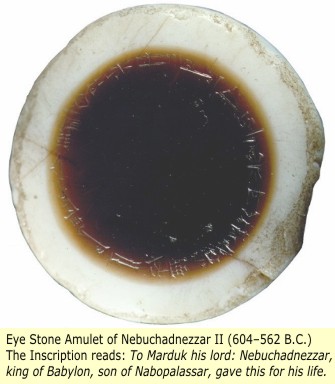
Upon his death Awil-Marduk (called Evil-Merodach in the Old Testament) became king. His policies, as well as those of the next king, his brother-in law, "Neriglissar" were the same as those of Nebuchadrezzar II, namely conquest and booty.
After the death of Neriglissar, an Aramaean from Harran named "Nabonidus" became king, the circumstances of his ascension are unknown. He made a defense treaty with Median king Astyages, as a defense against the Persians, who were becoming a growing threat under their king Cyrus II. He devoted himself to renovating old temples, taking a special interest in old inscriptions, perhaps in reverence for the ancient Amorite dynasty of Hammurabi. He also gave preference to the god Sin over the Babylonian god Marduk, thus creating powerful enemies in the Marduk priesthood.
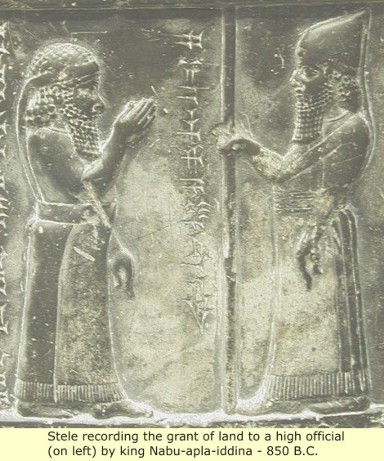
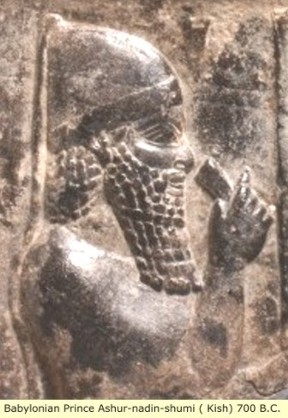
For reasons unknown, Nabonidus left Babylon to reside in northern Arabia, leaving his son Belshazzar as viceroy in Babylon. Ten years later, Nabonidus returned to Babylonia because of growing opposition to his rule, no doubt incited by the Marduk priesthood. He appointed his daughter, high priestess of the Sin temple in Ur, in an apparent attempt to bypass the Marduk priesthood. With this, the priests of Marduk looked to Cyrus, hoping to have better relations with him, than they had with Nabonidus. They promised Cyrus the surrender of Babylon without a fight if he would restore their position and privileges.
So with that, we end our Sumer section. The rest of Sumers history, will now be told from the Persian view.
 |
Comment - why this Albino source fails to include the residents of Arabia, Egypt, Lebanon, Israel (The modern Albinos calling themselves Jews are Khazar Turks), Palestine, Jordan, etc. as Turks, is unknown and incorrect. |
The Mongol Khanates (Khagan is a title of imperial rank in the Turkic and Mongolian languages equal to the status of emperor and someone who rules a khaganate) chased the last Turks out of Asia sometime around 1,100 A.D. Just as the Huns and other Mongols, had chased out the other Asian Albinos (Germanics and Slaves) centuries earlier.
The Turks, through religious subterfuge and intelligent use of their superior numbers, were able to usurp the Arabs, who had foolishly tried to use them as Slave soldiers (Mamluks). They then created one of the largest Empires ever created - The Ottoman Empire. The Turks were careful to "Meld" Turks in with ALL the populations they Ruled, and also to install Turks in all leadership positions. So that today, even though the Ottoman Empire no longer exists, Turks or Turk Mulattoes still rule in the new countries created from the old Ottoman Empire, and Turks or Turk Mulattoes have taken on the identities of the Black people who formerly lived in those lands.
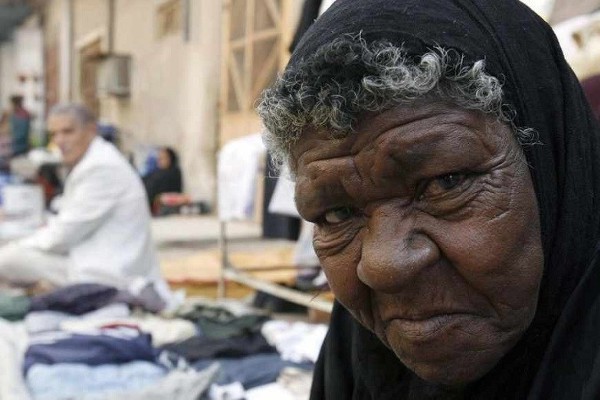
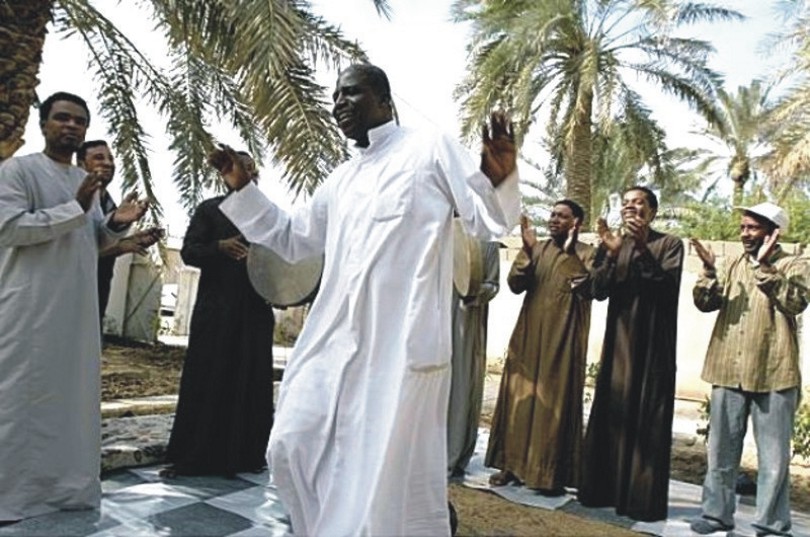
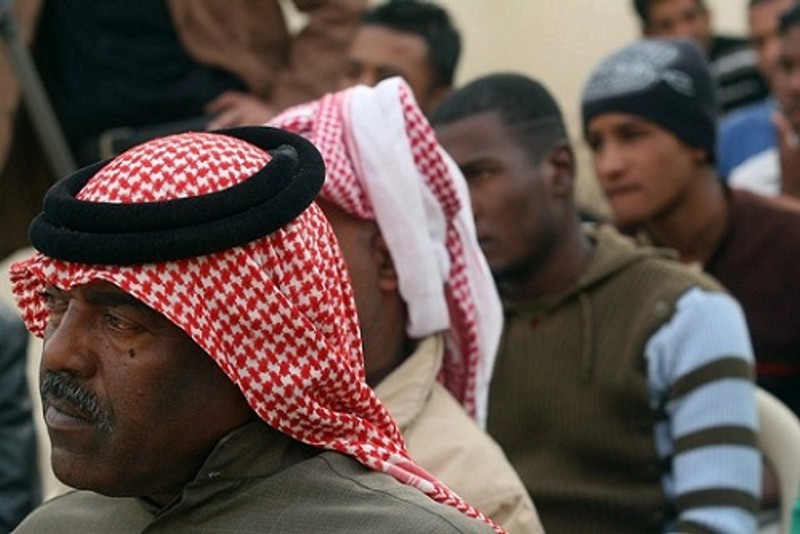
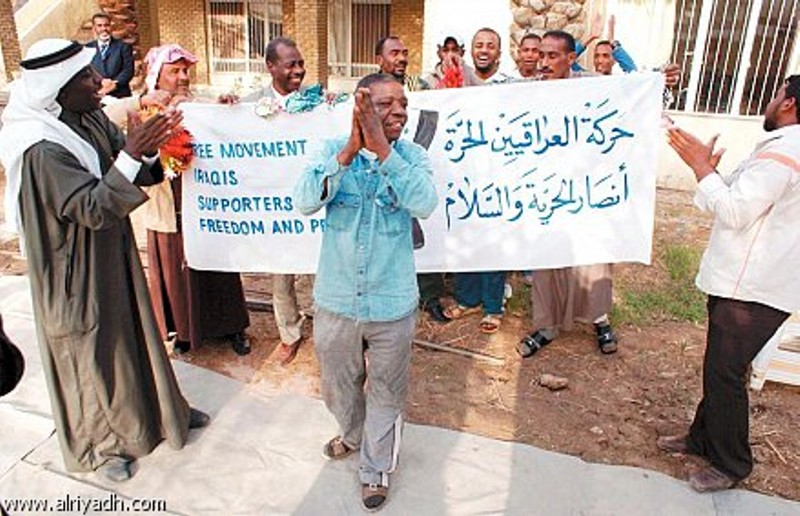
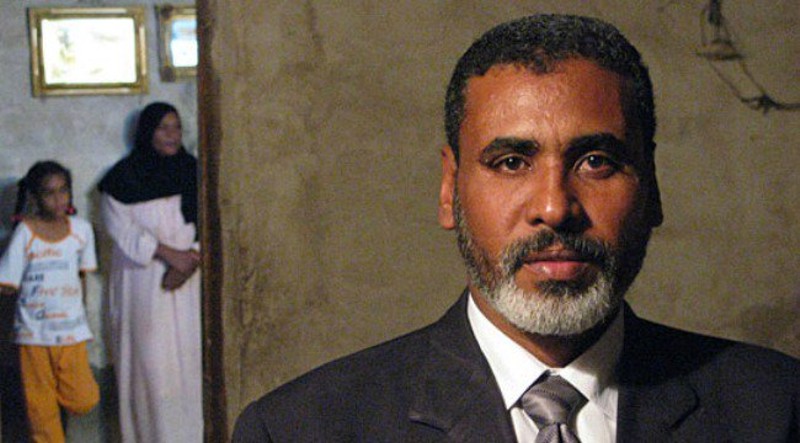
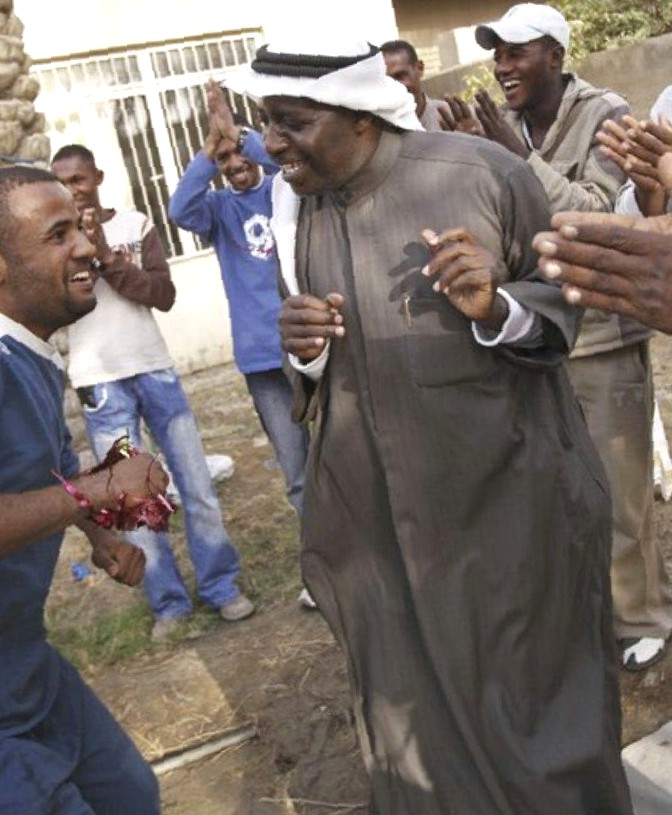
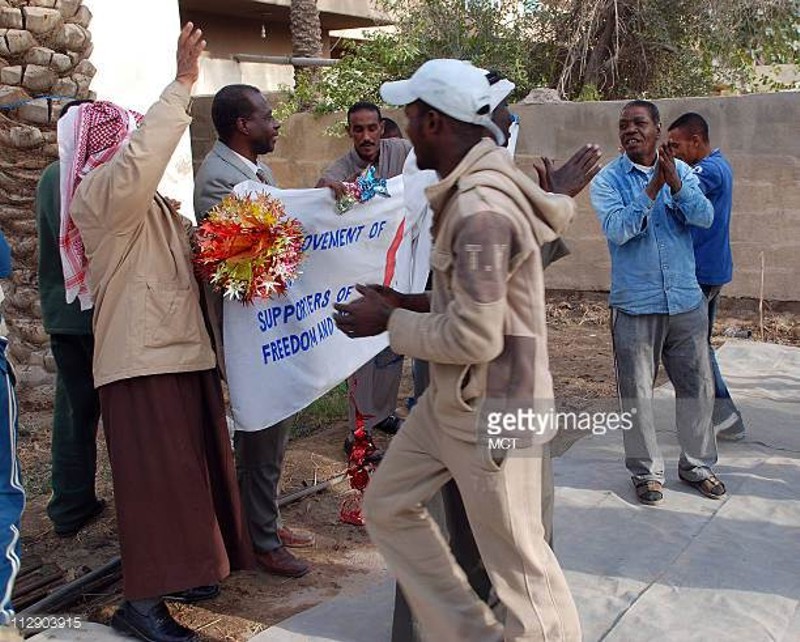
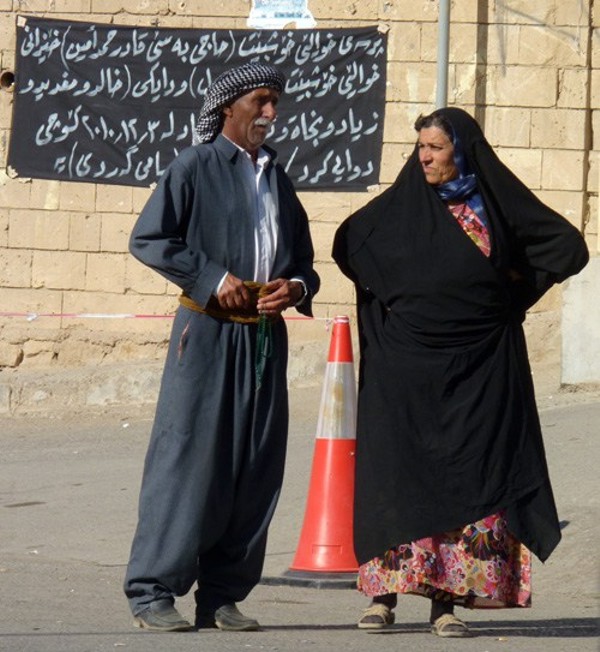
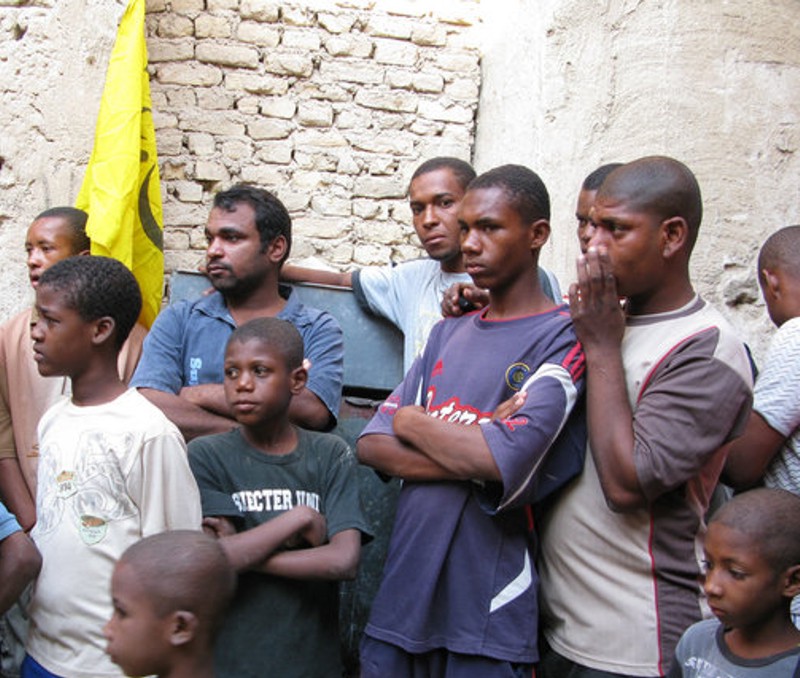
One such case is the "Marsh Arabs" of Iraq's Persian Gulf Wetlands.
Turks Rule Black Lands!
In
these pages, we have made every effort to clearly say, and prove, that
the White, and White-like, rulers and ruling elite in the former lands
of Black civilizations, are not who they claim to be. Specifically;
those of Egypt are NOT Egyptians, those of North Africa are NOT
Berbers, those of Arabia are NOT Arabs, those of Palestine are NOT
Hebrews, those of Lebanon are NOT Phoenicians, those of Iraq are NOT
Mesopotamian's, those of Iran are NOT Persians or Elamites, those of
Turkey are NOT Anatolians - THEY ARE ALL CENTRAL ASIAN TURKS!
That said with the understanding that in earlier times, Greeks and Romans settled in these areas: and in North Africa, they were followed by Alan's, Vandals, and Goths. And also in the 19th. century, French and Italians invaded, and settled in North Africa. And with the understanding that when the Turks of the Ottoman Empire, relinquished hegemony over those lands after WW I, they and the European powers, merely handed control over to local Turk elites. But understanding that our say-so, and proofs, may be insufficient for some: We quote the eminent François Auguste Ferdinand Mariette (1821 – 1881) French scholar, Archaeologist, Egyptologist, and the founder of the Egyptian Museum in Cairo. We quote from his book: "OUTLINES OF ANCIENT EGYPTIAN HISTORY" TRANSLATED AND EDITED, WITH NOTES, BY MARY BRODRICK CHARLES SCRIBNER'S SONS, NEW YORK, 1892 Page 28 Click here for link to Online Book Here he is discussing the origins of the Hyksos:Quote: "How often do we see in Eastern monarchies and even in European states a difference of origin between the ruling class, to which the royal family belongs, and the mass of the people! We need not leave Western Asia and Egypt; we find there Turks ruling over nations to the race of which they do not belong, although they have adopted their religion. In the same way as the Turks of Baghdad, who are Finns, now reign over Semites, Turanian kings may have led into Egypt and governed a population of mixed origin where the Semitic element was prevalent. If we consider the mixing up of races which took place in Mesopotamia in remote ages, the invasions which the country had to suffer, the repeated conflicts of which it was the theatre, there is nothing extraordinary that populations coming out of this land should have presented a variety of races and origins."
|
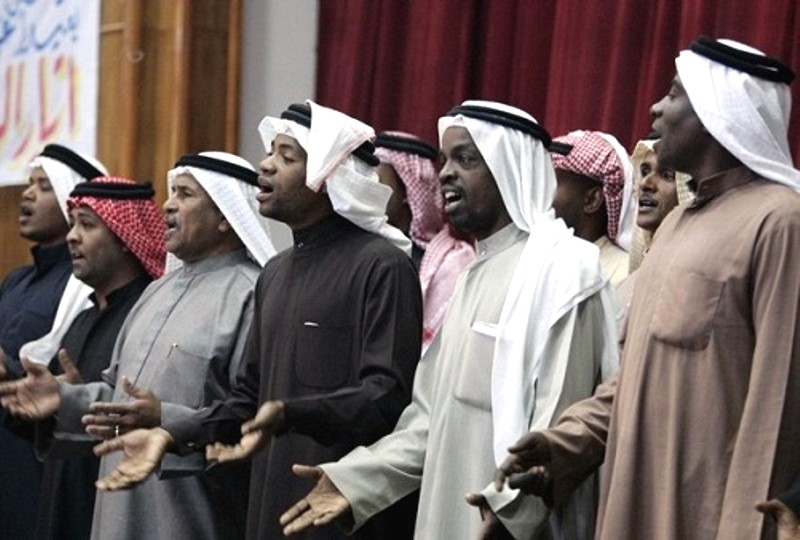
Eventually a new people "The Turks" will rule this land. The Muslim conquest; of which Turks and Greeks were the major component, will lead to the creation of the last great Middle-Eastern Empire, that of the Ottoman Turks. The power and influence of the Turkic Ottoman Empire was pervasive in all areas until it's breakup just after World War I. As with all great Empires; the Ottoman Empire had it's own religion, the Muslim religion of the Prophet Mohammad - Islam. Which during the duration of the Ottoman Empire, was termed the Turkish religion, rather than the Arab religion. Islam was spread as the Ottoman Empire expanded. Today, the world-wide acceptance and practice of Islam is due to the power and influence of the great Ottoman Empire. This was in conformity with other Empires established by migrants from the Eurasian plains. Earlier the Romans had accepted and adapted one branch of the Hebrew religion (Christianity), and made it their own. Thus making it a de facto European religion, Christianity was spread as the Roman Empire expanded. Today, the world-wide acceptance and practice of Christianity is due to the Romans and other Europeans they influenced, not to the Hebrews, who considered Christianity, a Hebrew "only" religion. Another Turkic group "the Khazars" who in the late 6th century A.D, had established a major commercial Empire covering the Caucasus region of Russia, accepted and adapted the Main Hebrew religion; thus also making it a de facto European religion. It is often times called Judaism or the Jewish religion, the origin of the term "Jewish" is however unknown, Hebrews did not call themselves Jews. Today, because of the long duration of the Turkic Ottoman Empire (1299 - 1922), and the great influx of Turkic peoples throughout the centuries: The ruling elite of Egypt, North Africa and the Entire Middle-East is predominantly of Turkic stock, rather than the common perception of Arab stock. Though the term "Arab" is used as the common unifier of the various ethnicity's of the Middle-East. Please see the Anatolia-3 page, for a history of the Turkic peoples.
|
It should be remembered that European Black Christians had no problem with Black Arab Islamists in the Holy lands. The Crusades began only after Albino Turks took control of Islam and the holy lands.Capture of JerusalemThe Siege of Jerusalem was part of a military conflict which took place in the year 637 between the Byzantine Empire (The Black Eastern ROMAN Empire) and the Black Arab Caliphate. It began when the Arab army, under the command of Abu Ubaidah, besieged Jerusalem in November 636. After six months, the Patriarch Sophronius (of the Catholic Church) agreed to surrender, on condition that he submits only to the Arab Caliph. In April 637, Caliph Umar traveled to Jerusalem in person to receive the submission of the city. The Patriarch thus surrendered to him. The Muslim conquest of the city solidified Arab control over Palestine. The First Crusade by Black Europeans occurred in 1096-1099. By then Black Arab Muslims had ruled Jerusalem for 462 years. Clearly Religion was NOT the issue, RACE WAS! As it happens, Black Europe’s instincts were correct, the Asian Albinos were a seminal threat, and in time the Albinos would destroy them. The First Crusade did not commence until after Pope Urban's call at Clermont in 1095. While Christian kingdoms prepared their armies for departure, an ill-equipped mob of peasants under the leadership of the charismatic monk Peter the Hermit attempted to make the crusade on their own. This disorganized event known as the People's Crusade was marked by violence against Jews as the mob made its way across Europe and by its quick defeat at the hands of the Turks. Although the First Crusade was plagued with hardships ranging from hunger to disease, it nonetheless ended favorably for the Crusaders with the capture of Nicea, Antioch and, most importantly, Jerusalem in 1099. Meanwhile, Black Arabs felt that giving their Albino Slaves (Turk Mamluks) and other Fighters “Rights" would protect them from their MUCH more numerous, Non-Arab troops. It was under Umayyad Caliph Umar II (reigned 717-720), that these discontented mawali (non-Arab Muslims) were placed on the same footing with all other Muslims, without respect to Race or Nationality. This decree allowed Turks and other Eurasians to fully assimilate into the Muslim brotherhood. But
it would get even worse: today in the Middle East and North Africa,
Turks and other Asian Albinos (and their Mulattoes) have colluded to
deny local Blacks knowledge of their history: as a result when the
Albino rulers tell them that their presence in those lands is a result
of them being brought there as SLAVES: the more intelligent can only
mumble - it ain't so. The great irony here is that it is well
documented history that it was the ancestors of the Albino rulers who
came as Slaves. |
 |
 |
 |
 |
 |
 |
 |
 |
 |
 |
 |
 |
 |
 |
Please visit the "Additional Material Area" for many more photographs of each civilization, and related material <Click> |
| < Back | Home | Next > |